
Let’s freeze regrettability

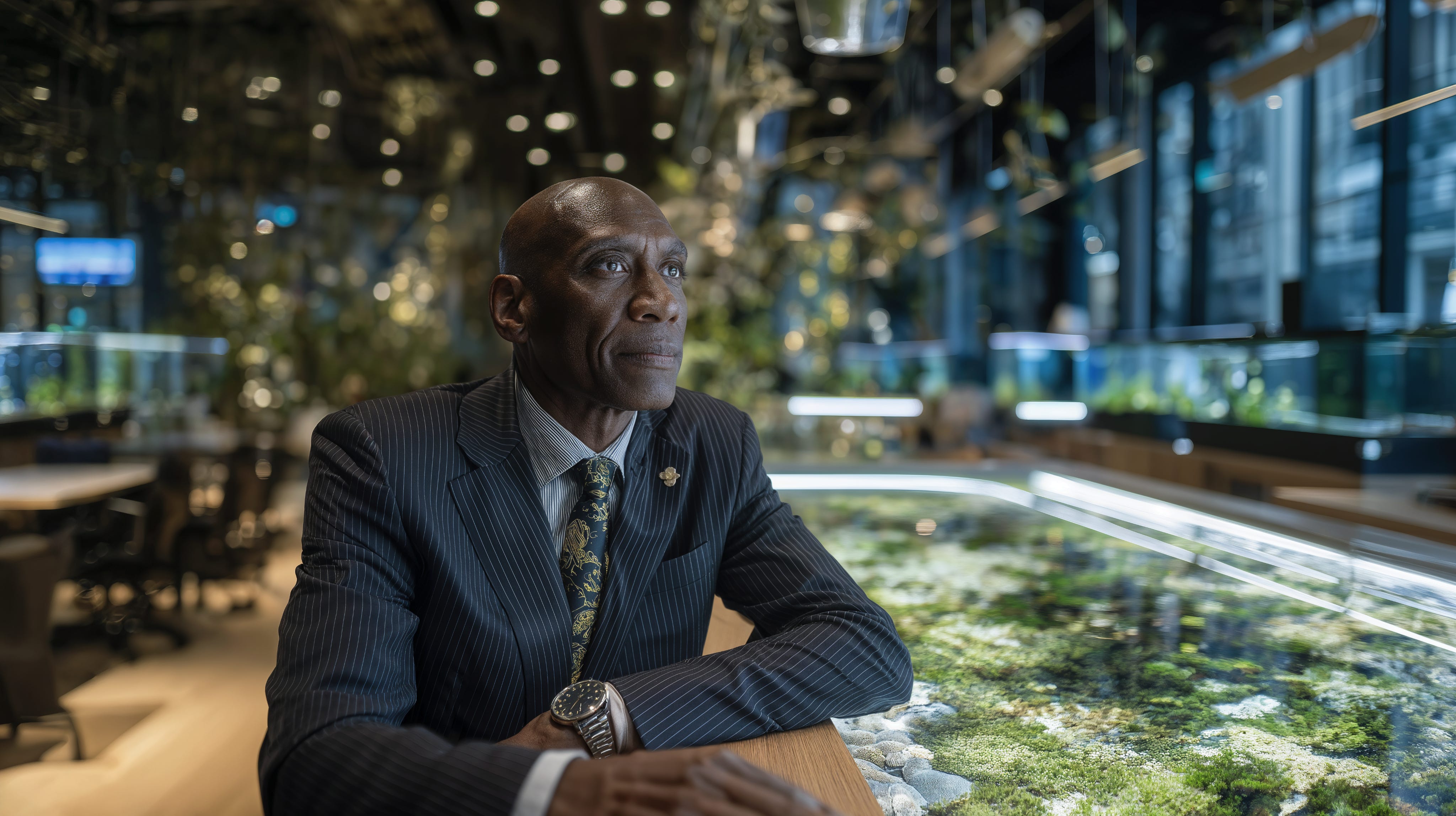
Everyone in the corner office is instantly grateful to be inside when the rain starts.
- Can you switch the view to something calmer? Killing this expansion is difficult enough.
The rain blurs when the smart glass wipes it clean, filtering out the storm from the view.
- The monitor says 73% regret if we cancel. 34% if we continue but the expansion fails.
Their COO stops his meditative walk, intrigued.
- Wait. It might fail, and we’d only regret it 34% of the time? That’s backwards.
She continues diagramming her point on the wallscreen.
- No. Failed inaction is invisible. The regret monitor makes omission regrets visible. Commission regrets fade. You try something, it doesn’t work, you learn and move on. Omission regrets compound. Next year, we’ll be watching competitors own this market and asking why we didn’t move when we had the chance.
The COO resumes circling the conference table.
- But if we move forward and it fails, I’m explaining to shareholders why we burned 20 million cycles.
She counters.
- And if we don’t move and the market explodes without us, you’ll be explaining why we were too cautious. The monitor says the second conversation is worse. The regret of timidity outlasts the regret of bold failure.
The tech lead’s head turns as the COO passes.
- You’re asking me to justify risk based on forecasted regret?
Branches on her diagram thicken with numbers when she adds the enrichment layer.
- Here. I’m saying organisational regret is real and expensive, and we’re optimising for the wrong kind. We’re wired to dodge visible failures, while the chances we don’t take never make it to the logs. And those are the ones that should haunt us.
Branching more lines, she continues.
- We’re recording that the regret model ranks inaction as the higher liability. If we stall and competitors win, today’s entry will show we understood the cost of playing safe.
- So you want us to approve this because we’ll regret it if we don’t?
Dropping into a chair, she sighs.
- I want us to approve this because the numbers say we punish visible failures more than we fear compounding damage from the moves we never make. Regret is asymmetric. The monitor just puts that bias on screen.
- That’s a hell of a pitch.
Drumming fingers on the table, she concludes.
- Let’s freeze regrettability. In twelve months, when this market is either ours or someone else’s, we’ll know we picked our regret with intent.
The COO nods. The tech lead leans towards his system.
- Okay, decision log updated. So… one last regret to price.
She turns, intrigued.
- And what is that?
He deactivates the windows. The unfiltered storm snaps back in.
- What’s the current cost of not having ordered lunch before it started raining?

Memories to build from this future:
1. Try to recall when you helped someone interpret their regret asymmetry for the first time.
Which decision did they immediately reconsider once they could see the regret probability of their inaction?
How did they react discovering their heaviest regrets weren’t logged anywhere because they never materialised?
What question did they ask that made you reconsider your own unrealised possibilities?
2. Think back to helping your team distinguish between regrettable failures and necessary experiments.
Which idea helped people grasp that action regrets fade while omission regrets compound?
How did evaluation conversations change when “moves not made” entered the discussion?
What breakthrough came when someone asked why you punished visible failure more than invisible timidity?
How did you help people accept being wrong actively rather than passively?
3. Try to recall the first quarter when regret monitoring became part of your regular decision-making.
How did making omission regrets visible change your company’s culture over time?
What new language emerged for discussing the opportunities slowly dying in your consideration?
What changed in you once you could see your own pattern of over-indexing on defensive moves?
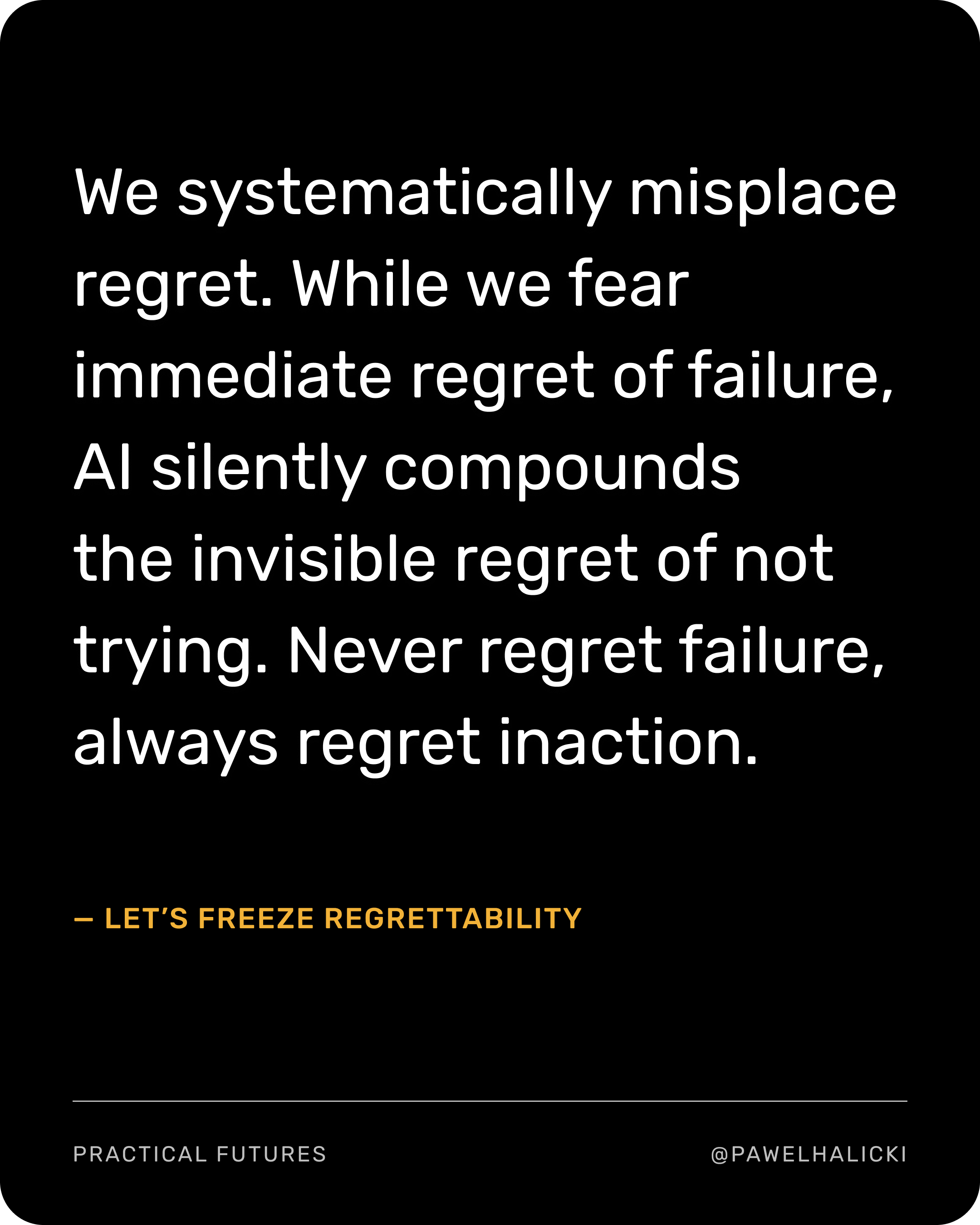
Each memory from the future you build sharpens your strategic instincts for the decisions ahead.
Build enough memories.
Shape better futures.
Know someone who could use more strategic imagination?
Share Practical Futures with your network.